
 Available










Leave No Trace: The Importance of Camping Responsibly
At Vango, we believe that the outdoors is for everyone—for today’s campers, tomorrow’s explorers, and generations beyond. But with that freedom comes responsibility.
Whether you're pitching a tent on a remote Scottish moor or setting up basecamp in a busy National Park, how you camp matters. That’s where Leave No Trace comes in—a simple yet powerful set of outdoor ethics that ensures our wild places stay wild.
1. Plan Ahead and Prepare
Great adventures start before you even leave the house. Research your destination—know the rules, weather, and terrain. A well-prepared camper is a responsible one. Packing the right gear means fewer surprises. Making sure you have all of the tools you need to not only enjoy the space you’re in but also how to pack everything back out again is key. Many campsites will provide facilities for rubbish and recycling but more remote locations and wild camping won’t have this.
Bring maps, understand fire restrictions, and know how to store your food properly to avoid wildlife encounters. Preparation is the first step in low-impact camping.
2. Travel and Camp on Durable Ground
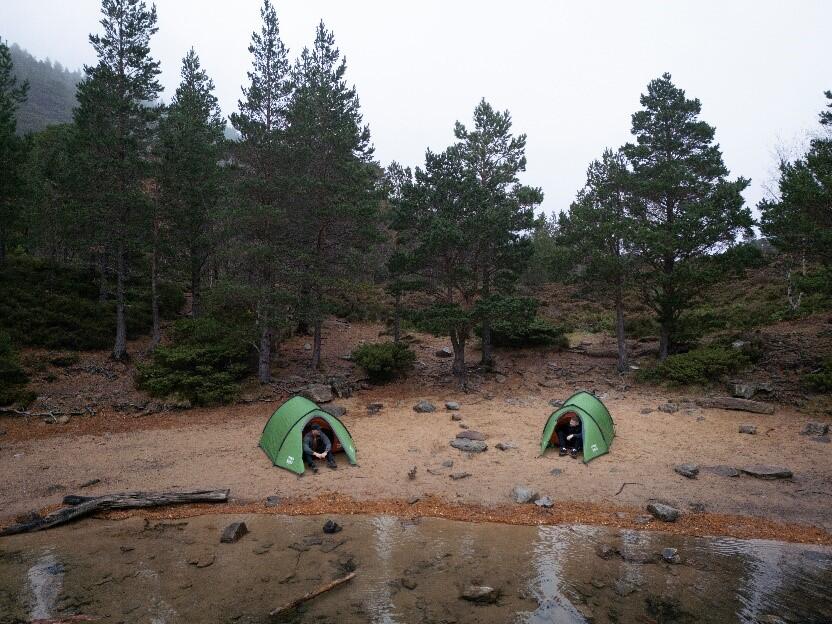
Stick to established trails and campsites whenever possible and remember that you may be accessing someone’s land. If you do look to venture off-grid, look for a safe and sensible place to pitch up and avoid trampling vegetation or soft ground that takes years to recover.
Our tents are built for performance—whether on rugged hillsides or windy plateaus—so you can camp comfortably without harming the land beneath you.
3. Dispose of Waste Properly
Pack it in, pack it out. This means all rubbish, leftover food, and even things like toothpaste or things that won’t break down naturally in the environment. Bring a sealable bag for litter and use campsite facilities where available.
If nature calls, bury human waste at least 15-20cm deep and 60m away from water sources. Use biodegradable toilet paper or better yet—pack it out.
4. Leave What You Find
It’s tempting to take a pretty rock or flower as a memento—but resist the urge. Let others enjoy the same view you did. Don’t build structures, dig trenches, or carve into trees.
Capture the moment with your camera, not your hands.
5. Minimise Campfire Impact
Campfires can cause lasting damage to natural areas, especially in dry environments, especially if they get out of control. Use a portable stove for cooking—like our durable folding stoves. If fires are allowed, use established fire rings and keep them small. Don’t cut down local trees or vegetation for burning as this can cause damage to local wildlife and habitats.
6. Respect Wildlife
Observe from a distance. Don’t feed animals—it’s harmful to them and dangerous for you. Store food securely and keep pets under control. Remember: you’re a visitor in their home.
7. Be Considerate of Others
Keep noise down, respect quiet hours, and give space to fellow campers and hikers. Let everyone enjoy the peace of nature.
Adventure is our passion. Preservation is our promise.
With the right gear, a bit of planning, and a commitment to Leave No Trace, you can explore confidently knowing you’re leaving nothing but footprints and taking nothing but memories.
At Vango, we make the kit to take you outdoors, but it’s you who makes the journey matter.
How CampWild are making wild camping more accessible
We’ve been working closely with the team at CampWild, an innovative new platform designed to give you access to previously inaccessible land and explore the wilder side of life. Heaps of the UK countryside is locked up under private ownership – but it doesn’t have to stay this way.
Through conversations with trusts, custodians and landowners, CampWild have been able to create a network of completely remote, completely unique pitches for their members. A true, permitted, wild camping experience.
They have their own Camping Practices based on Leave No Trace principles ensuring everyone can enjoy the same natural world.